9 min read
AI sessions are contractors. Always-on agents are hires.
A chat or a coding agent session ends when the task is done, when the answer is given or the PR is merged. Grok Bot and OpenAI's dots stay. That changes what you have to give them.
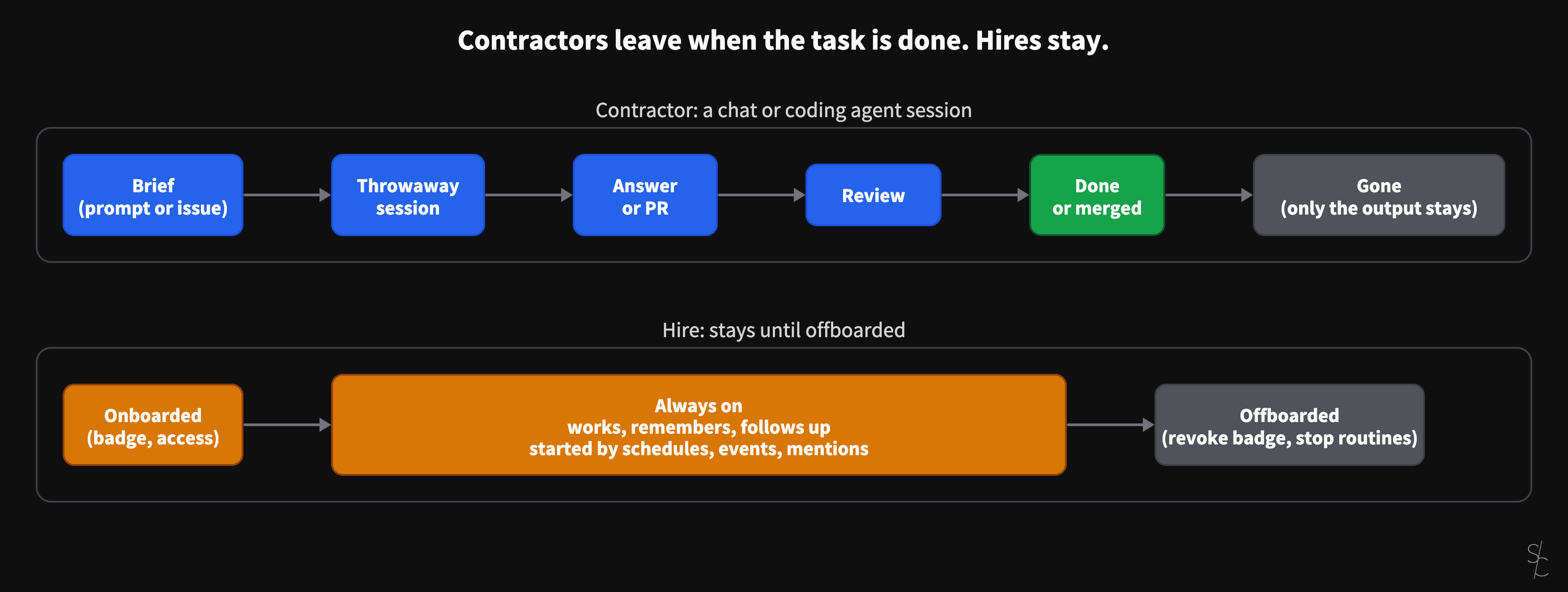

A chat or a coding agent session ends when the task is done, when the answer is given or the PR is merged. Grok Bot and OpenAI's dots stay. That changes what you have to give them.
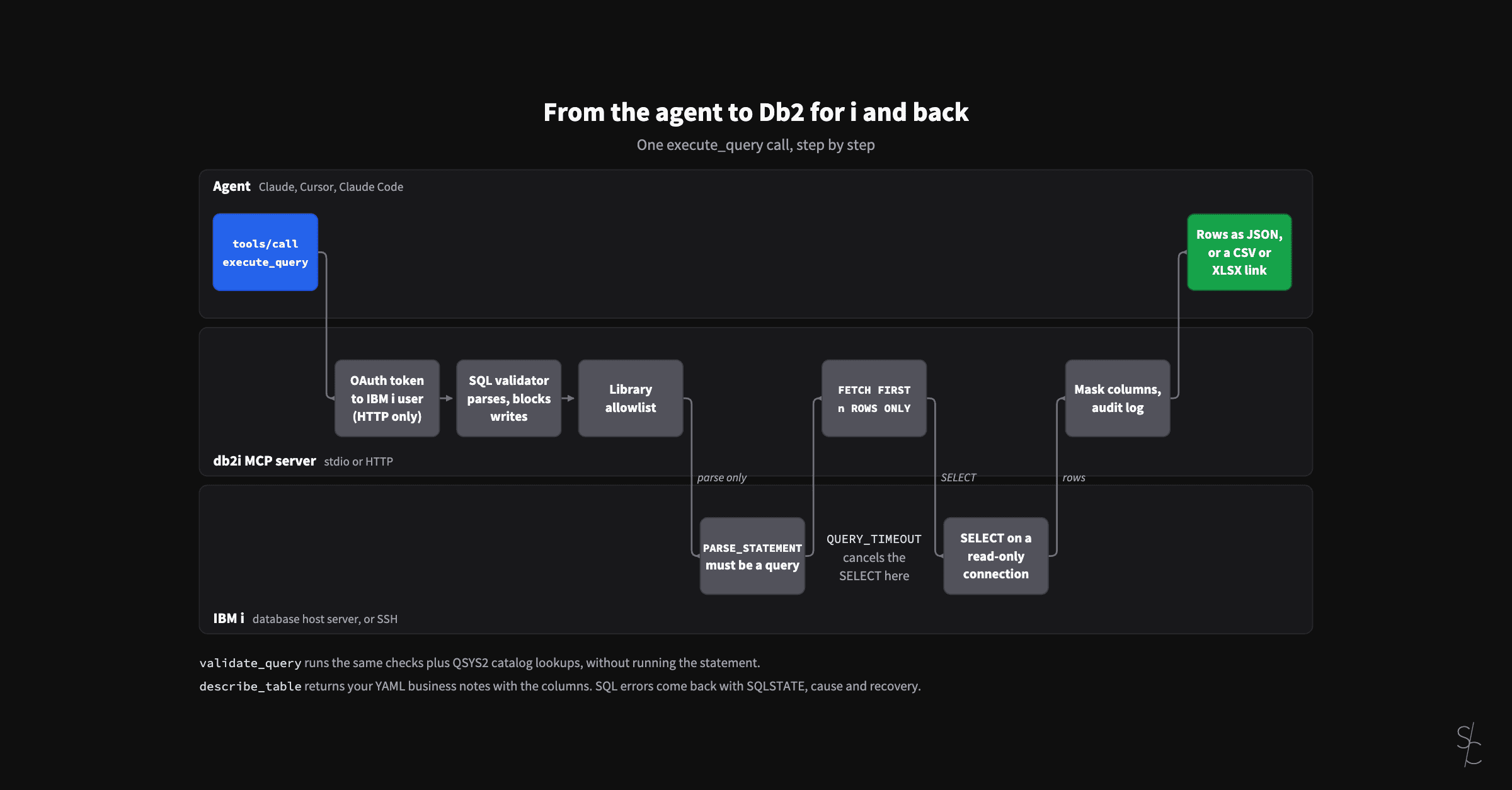
In January the server looked up table definitions so the AI would stop guessing. At 2.12 it checks its SQL against the IBM i, reads your business definitions, and lets colleagues sign in as themselves.
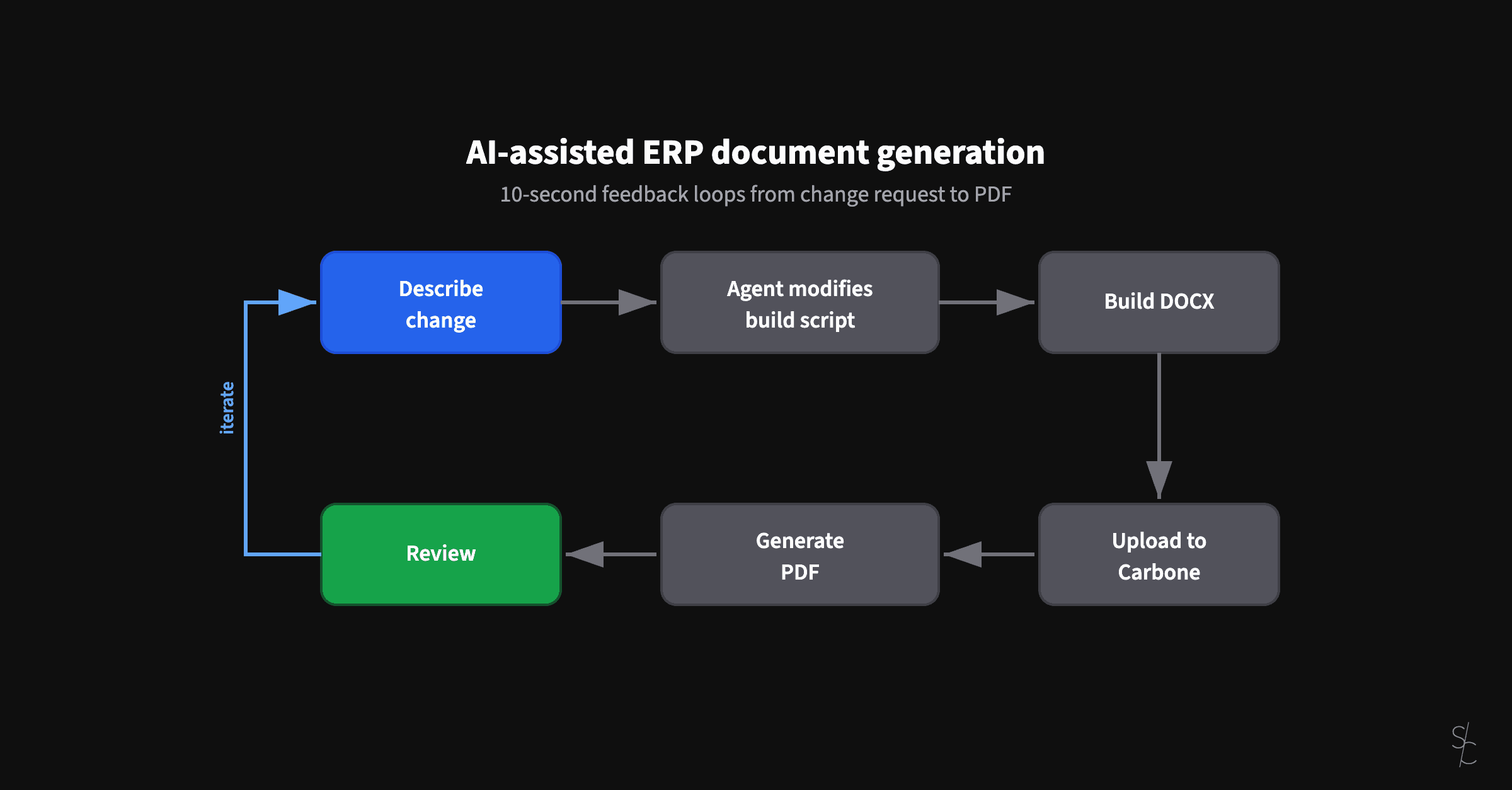
ERP documents look simple. Underneath, they're conditional logic puzzles that have resisted modernization for decades.
Rules tell agents what to do. Subagents verify they actually did it.

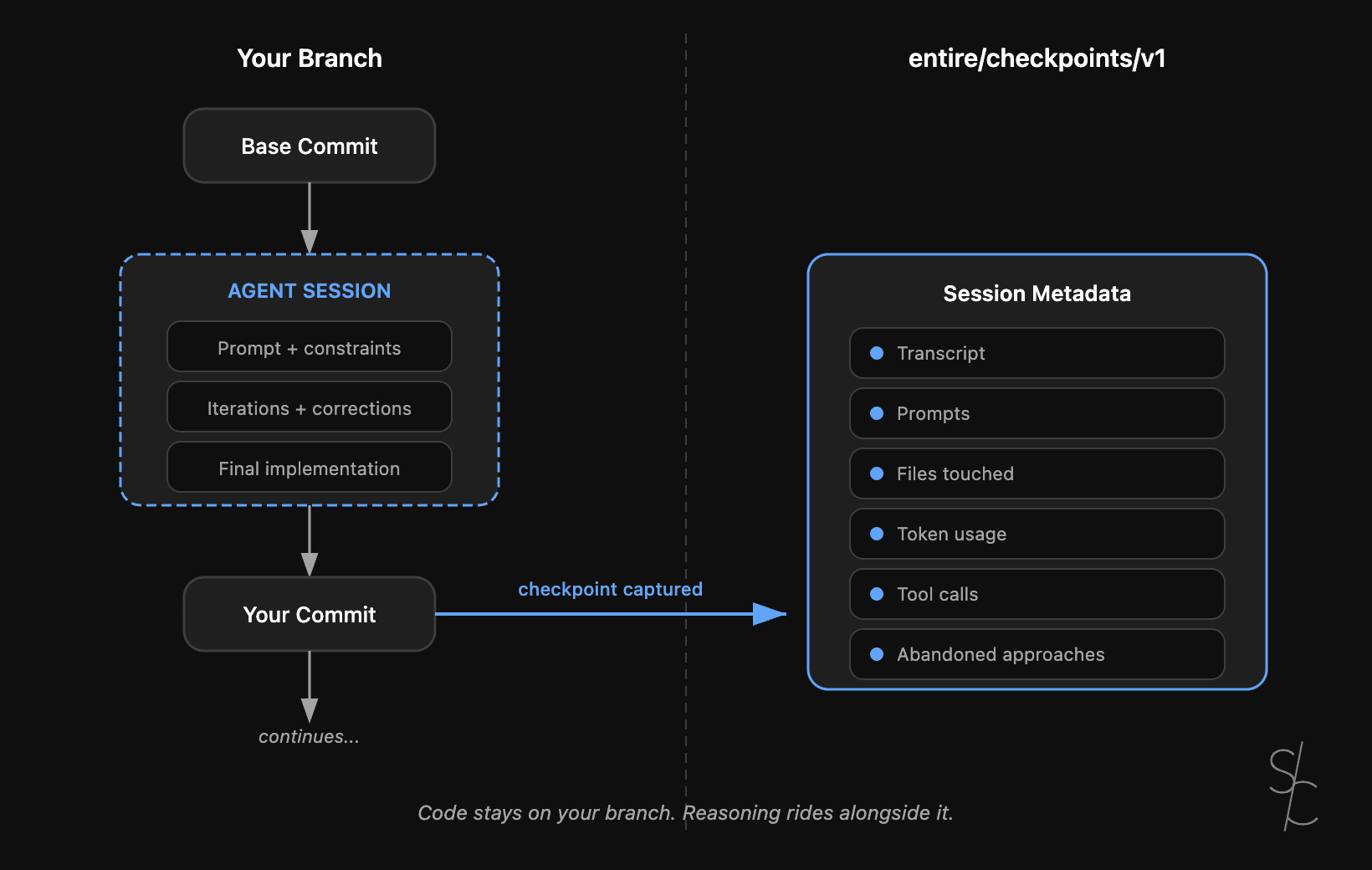
Git tracks what changed. With AI-generated code, the reasoning behind it matters more. Entire makes that context durable.
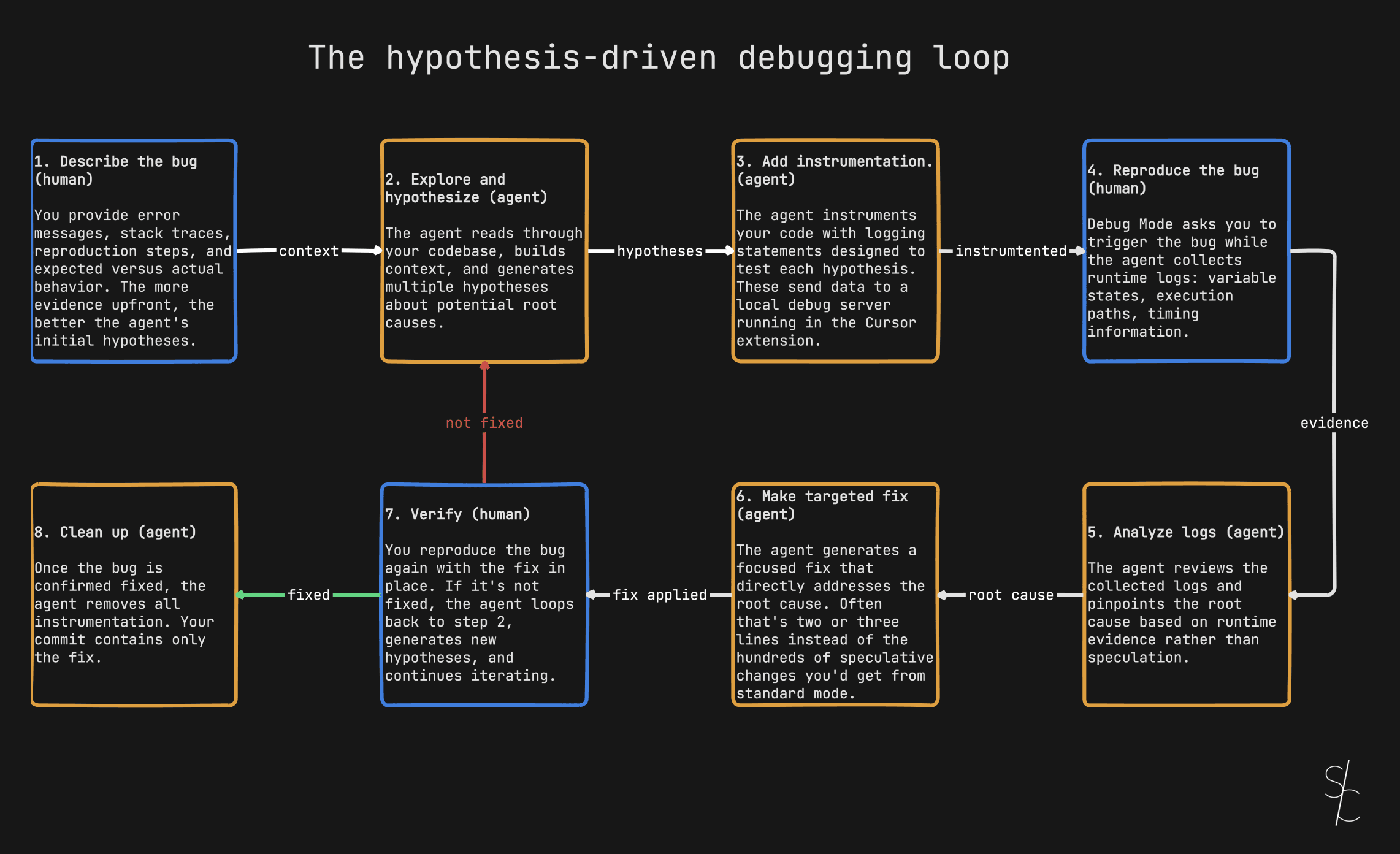
Stop asking your AI to fix bugs. Ask it to investigate.
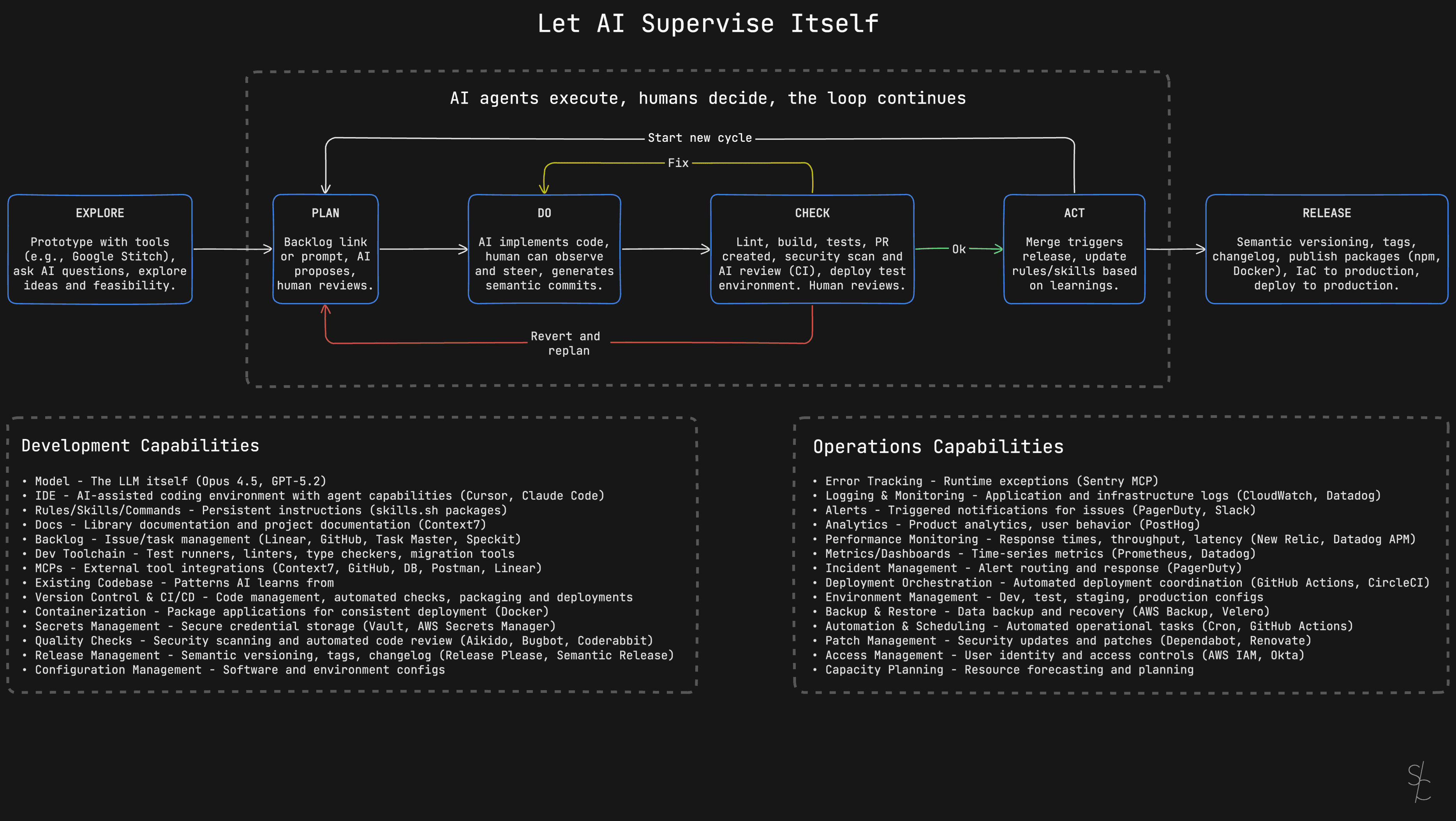
Wire AI into a development workflow that catches mistakes automatically.
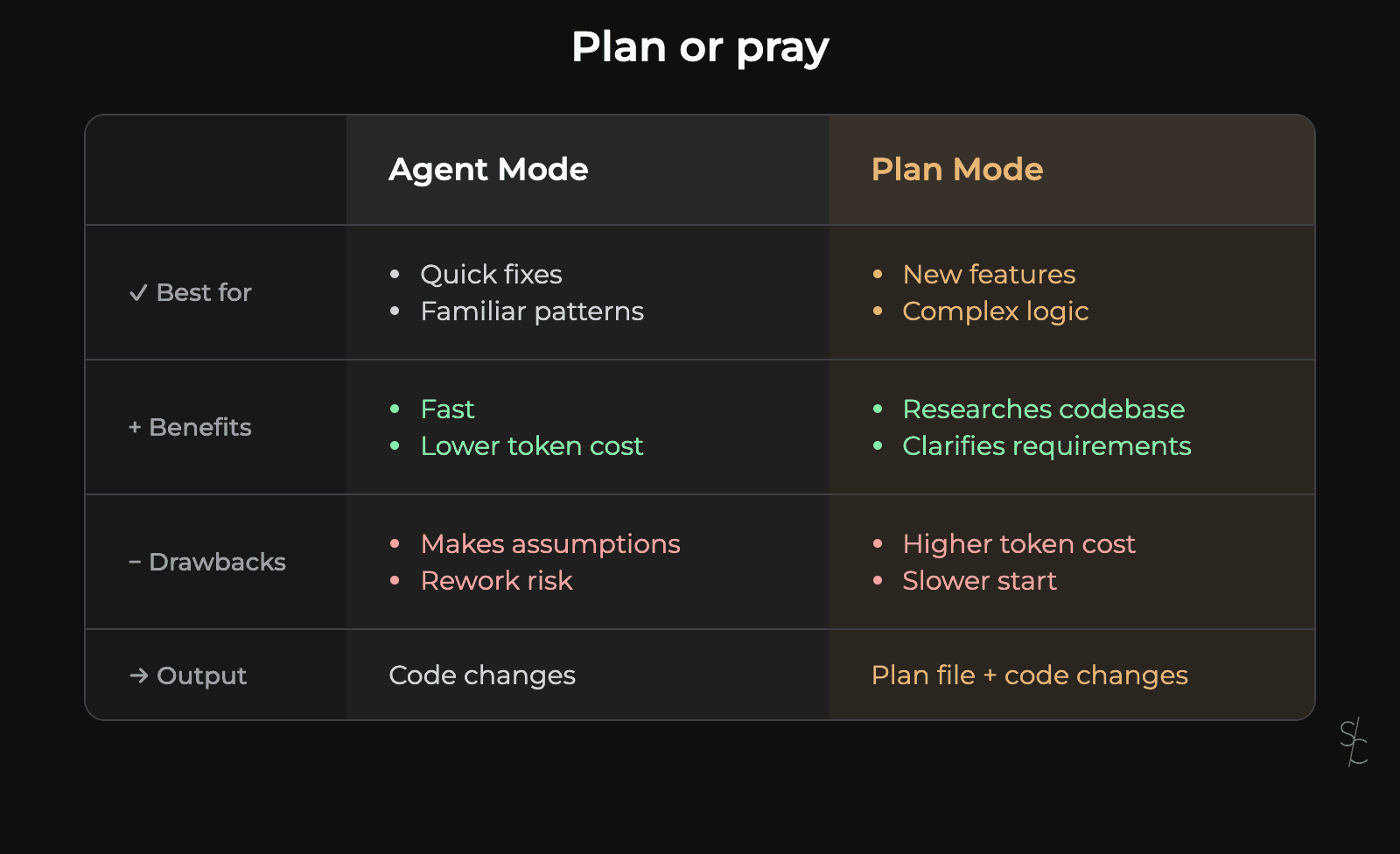
Speed without direction is expensive iteration. How planning with AI changes the dynamic.
I open-sourced an MCP server that lets Claude, Cursor, and other AI tools talk directly to DB2 for i.
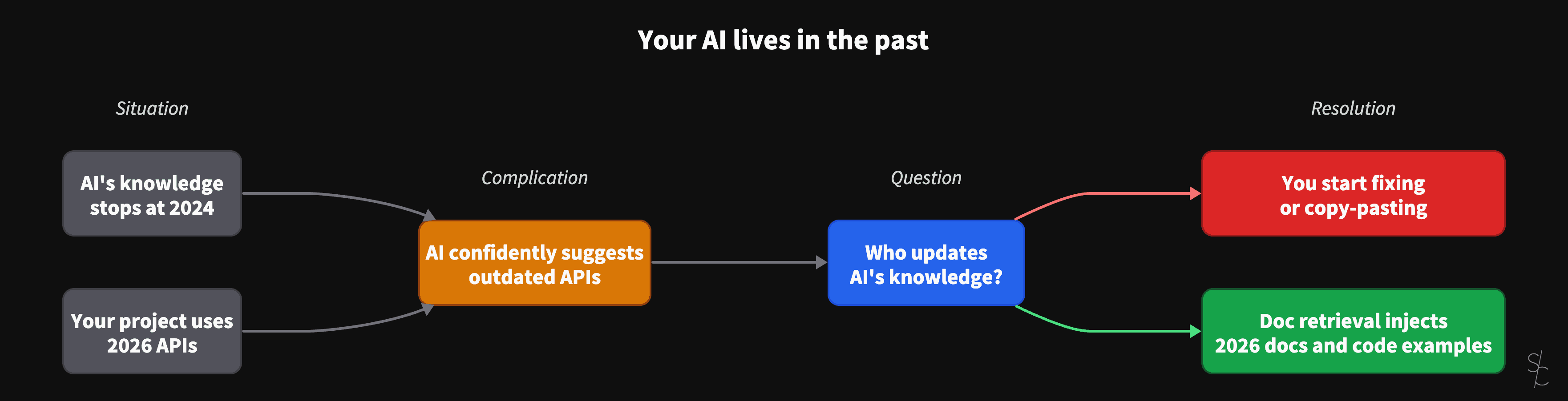
Stop babysitting the model with pasted snippets. Pull the right docs into context automatically.
The assumption is that AI-assisted coding works best on fresh projects. After a year of experience, I think the opposite is true.

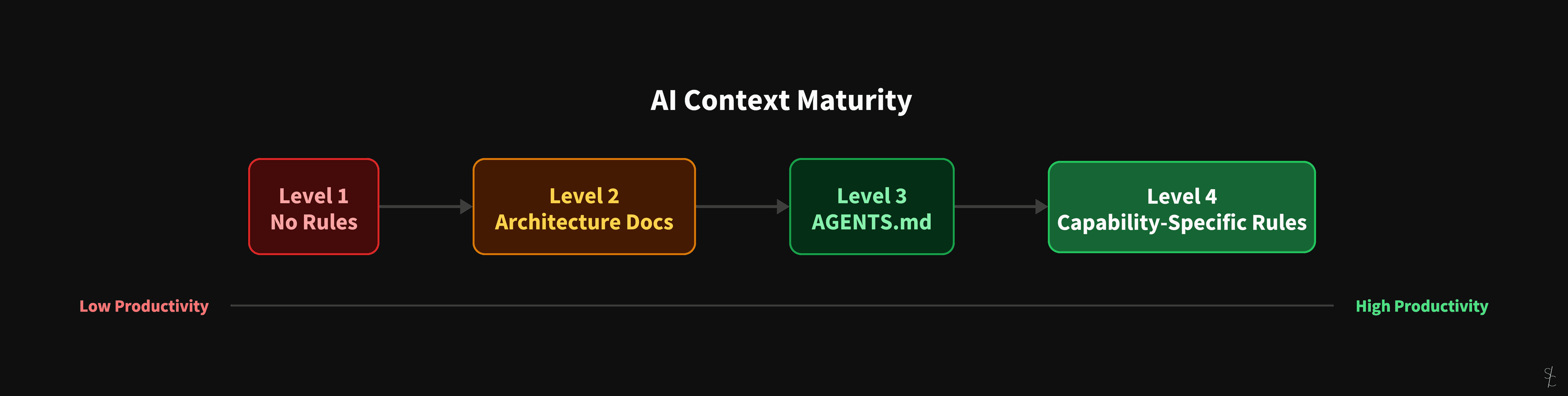
Most developers use AI without structured guidance. Here's how capability-specific rules change everything.